Top Construction Safety Insights from CONEXPO 2026
What CONEXPO Revealed About Jobsite Safety
Construction sites are evolving quickly as safety, efficiency, and technology become increasingly connected. As the largest construction equipment trade show in North America, CONEXPO brought together leaders from across the construction, aggregates, and heavy equipment industries. It served as a testing ground for the innovations shaping infrastructure development.
One of the clearest themes from the event was a continued shift toward safer, more intelligent jobsite operations driven by better visibility, communication, and real-time information.
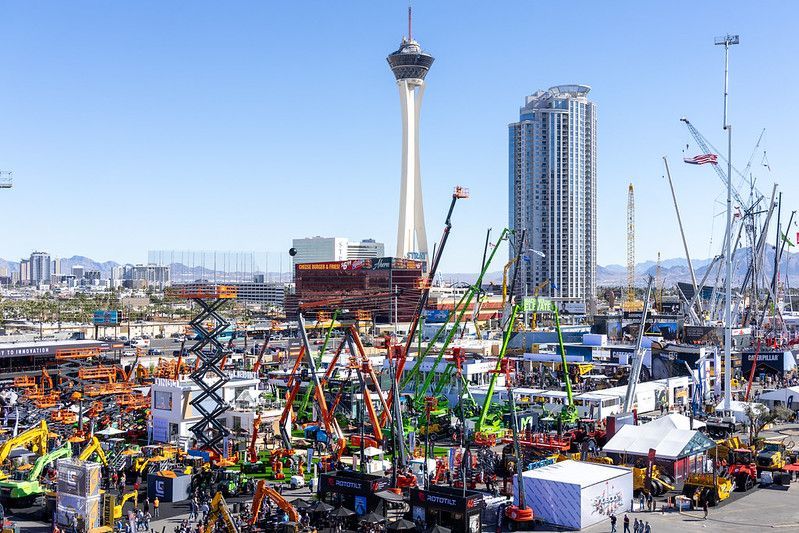
Image courtesy of CONEXPO-CON/AGG
Increased Focus on Worker Safety
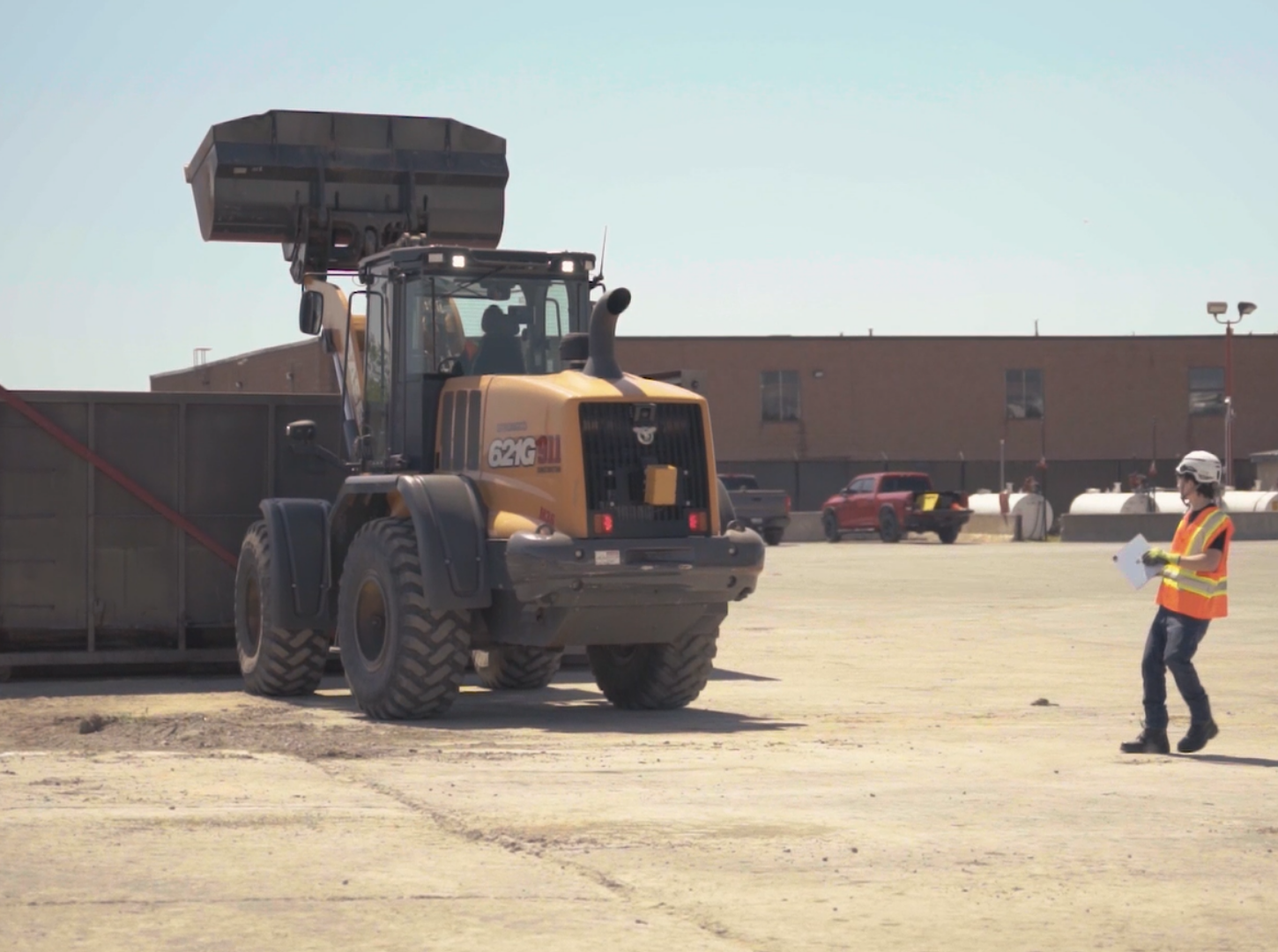
Preventing struck-by incidents remains a top priority across the construction industry. With heavy equipment operating in close proximity to ground workers, blind spots continue to be one of the most persistent hazards on modern construction sites.
As a result, contractors are placing greater emphasis on solutions that help improve awareness around equipment movement and worker positioning. Rather than relying solely on operator visibility, there is a growing need for systems that support decision-making in real time and reduce exposure to critical risks.
A Rise in Data-Driven Safety
Another major trend is the increasing use of jobsite data to support safety decisions. Construction teams are moving beyond reactive reporting and toward a more proactive approach, where patterns and risk zones can be identified earlier.
The value is not just in collecting information, but in using it to understand where and when risks occur. This shift allows safety teams to refine procedures, improve training focus, and better allocate resources across high-risk areas.
(Read: How SCAN~LINK Turn Jobsite Safety Data into Actionable Insights to Prevent Accidents to learn more)
The Limits of Traditional Detection
Construction jobsites are dynamic, with constant movement from equipment, materials, and personnel. In these conditions, systems that detect all objects equally can create frequent unnecessary alerts. Over time, this can reduce operator responsiveness and contribute to alarm fatigue, where important warnings may no longer stand out as clearly as they should.
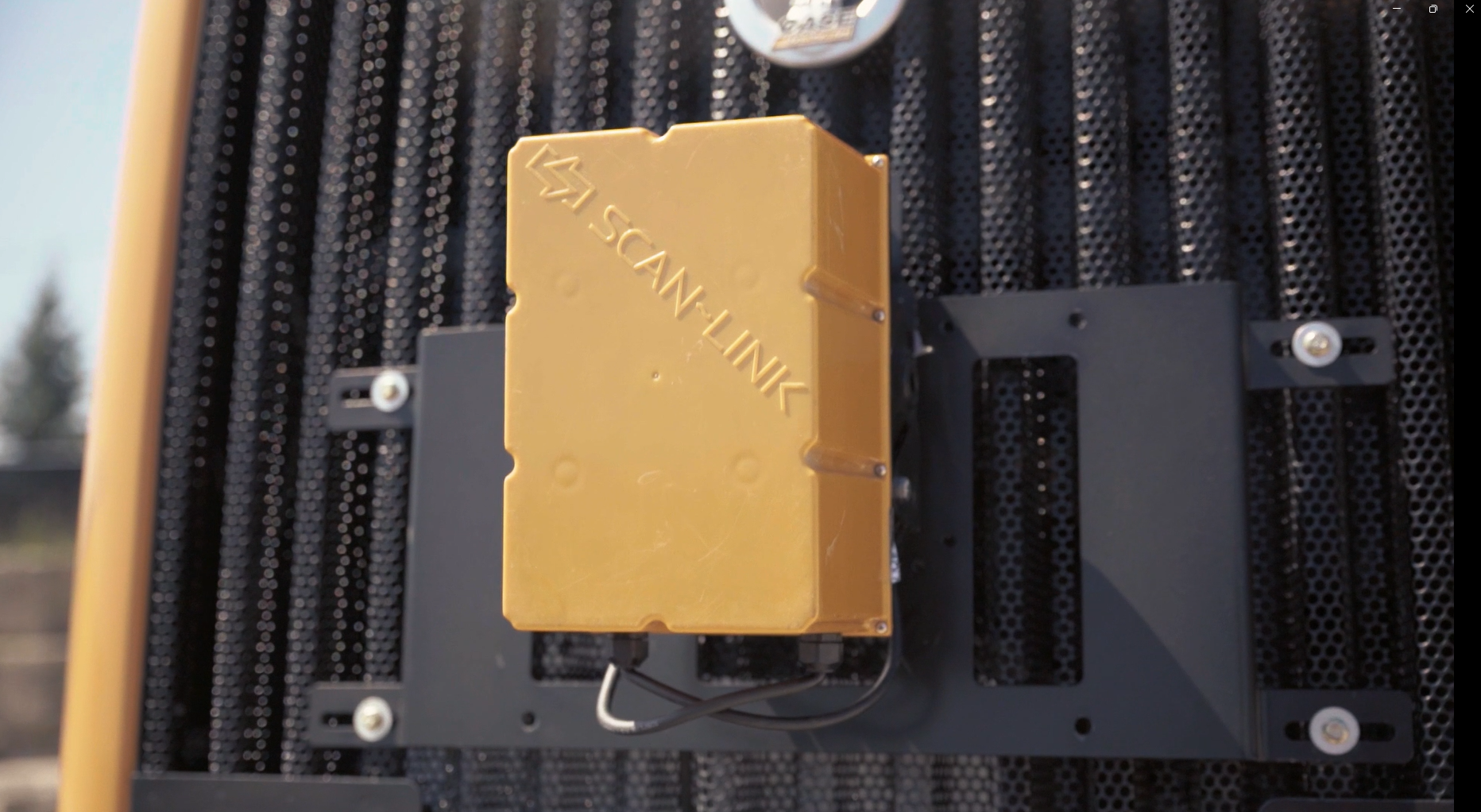
As demonstrated at SCAN~LINK’s booth, passive RFID technology supports a more focused approach by detecting only when a passive RFID- tagged worker enters a defined hazard zone around equipment. This ensures alerts are only triggered when a person is actually at risk, improving clarity for operators and reducing unnecessary alarms.
(Read:
Detect People Rather than Objects: Advancing Person-Specific Safety with Passive RFID to learn more)
What This Means for Construction Jobsites
As construction sites become more connected and data-informed, the expectation for safety systems is changing. Contractors are looking for solutions that not only detect risk but help reduce it in a meaningful, measurable way.
More precise detection technologies can support stronger safety cultures by improving trust in alerts, reducing noise on site, and reinforcing safe operating practices.
Closing Thoughts
CONEXPO 2026 highlighted a shift towards proactive worker protection. Safer jobsites will be driven by better information, smarter detection, and more intentional safety systems.
SCAN~LINK’s passive RFID technology aligns with this shift by focusing on what matters most — identifying people in high-risk environments and helping teams respond with confidence.
All images in this blog post are courtesy of CONEXPO/CON/AGG