
Asset-Specific Detection: Extending Passive RFID Beyond Your People
Protecting workers on foot is the foundation of any proximity detection program. But the same passive RFID technology that identifies your people can also identify the assets, equipment, and fixed hazards that operators need to avoid. Asset-specific detection extends that protection, giving your team situational awareness around high-value assets and high-risk zones without adding complexity to your operation.
This page explains what asset-specific detection is, how it differs from person-specific detection, and how passive RFID Marker Tags make it possible.
What Asset-Specific Detection Means
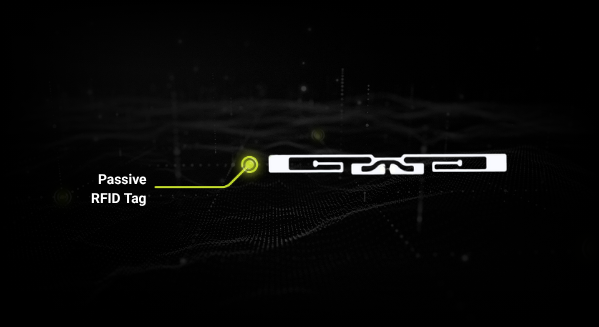
Asset-specific detection is a detection approach that identifies tagged assets, equipment, and fixed hazard zones around mobile equipment, rather than the workers who move through a site. It uses the same passive RFID principle that powers person-specific detection: a reader antenna mounted on a piece of equipment responds only to passive RFID tags, so anything you want the system to recognize simply needs to carry one.
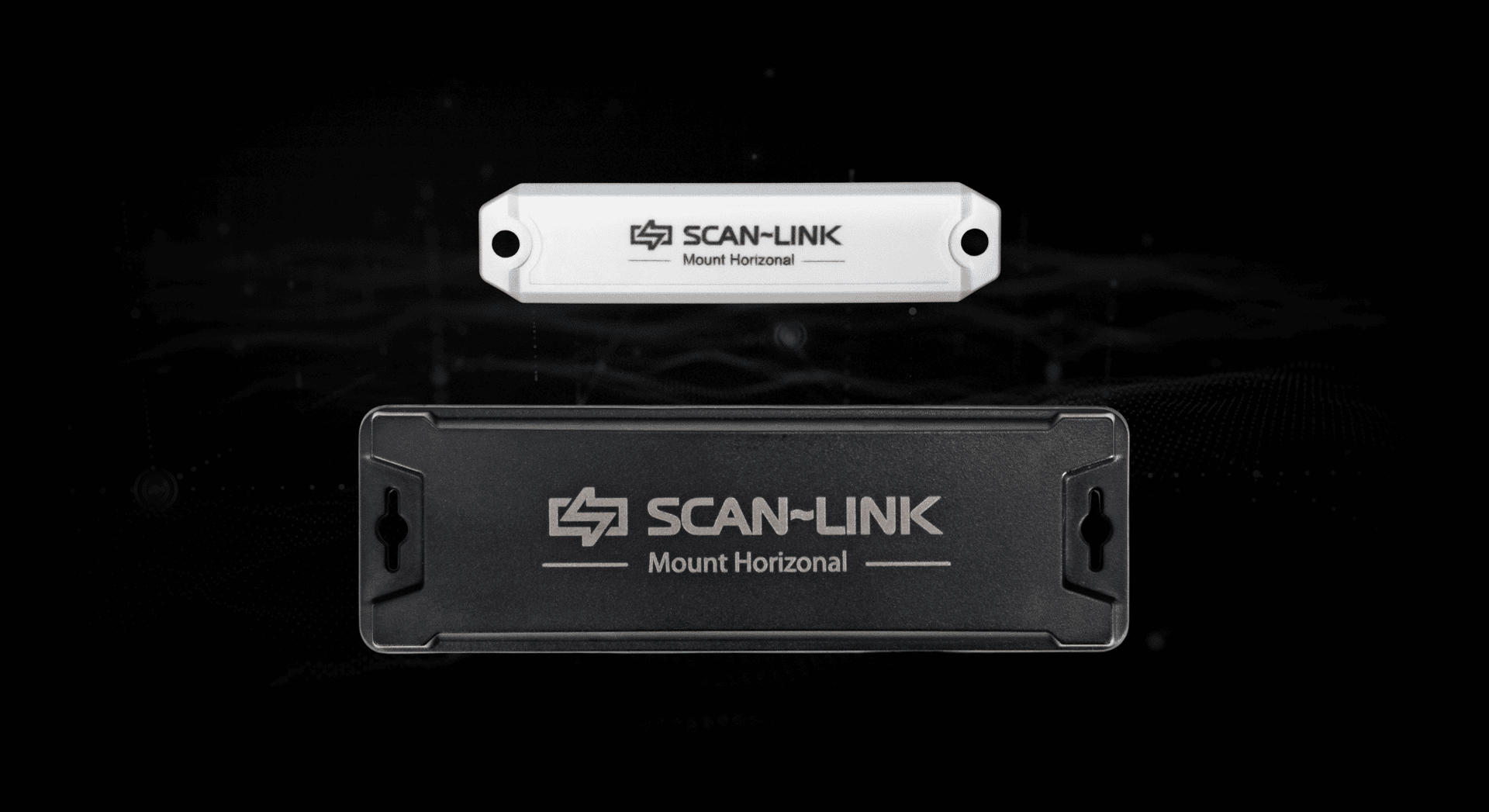
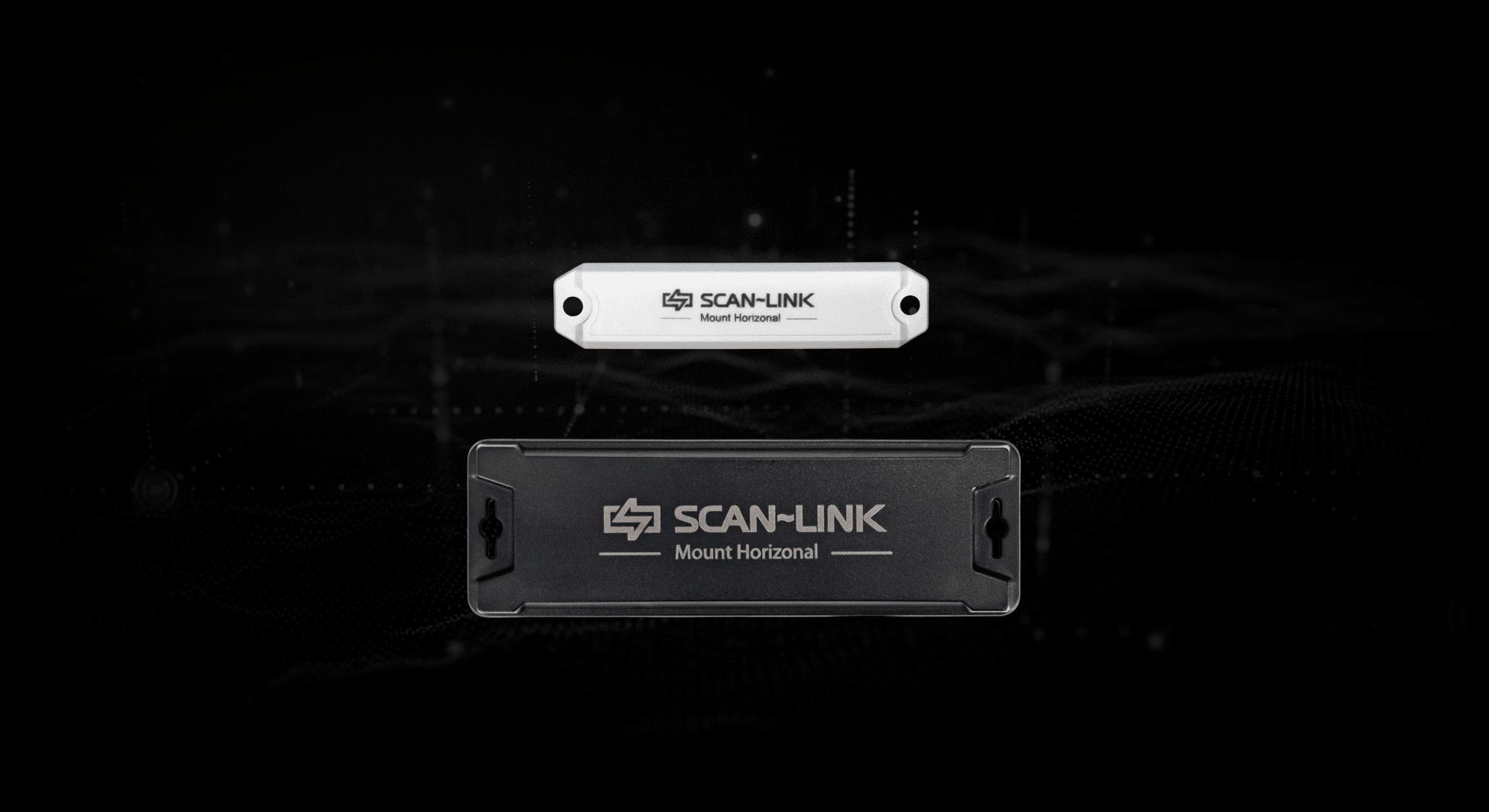
Watch: SCAN~LINK standard Marker Tag & Long Range Marker Tag protecting assets in real-world scenarios.
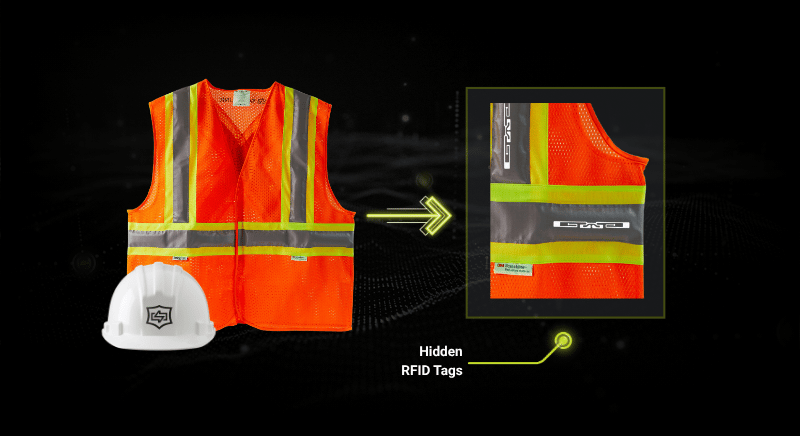
The difference comes down to what you choose to tag. Person-specific detection relies on passive RFID tags embedded in the PPE your crews wear, so the system recognizes a worker in the danger zone. Asset-specific detection relies on tags attached to physical objects and locations, so the system recognizes a wellhead, a fuel tank, an excavation area, or a piece of parked equipment.
Both approaches work together in the same system. Your operators receive protection around people and clear awareness of the assets and zones you have chosen to mark, all from one dependable passive RFID solution.
How Passive RFID Marker Tags Enable Asset Detection
SCAN~LINK Marker Tags are the battery-free passive RFID tags that make asset detection possible. They can be attached to physical equipment, high-value assets, or fixed hazard zones, giving safety and operations teams the flexibility to decide exactly what the system should detect.
The Tag Carries a Unique ID
Each Marker Tag holds its own identifier and stays completely inactive until it enters the signal range of a reader antenna.
The Antenna Creates a Detection Zone
An antenna mounted on the equipment continuously sends out a radio signal, forming a detection zone that can be adjusted to suit the application.
Detection Triggers a Response
When a tagged asset enters the detection zone, the antenna energizes the tag, the tag transmits its ID, and the system confirms that a tagged object has been detected.
Because Marker Tags are passive, they require no batteries, no charging, and no wiring. Once placed, they perform reliably in the dust, dirt, rain, snow, fog, and low-light conditions found on active jobsites, and they are designed to last for 20+ years with virtually no upkeep. That durability makes them practical to deploy across an entire operation without adding a maintenance burden to your team.
Clear Differentiation Between People and Assets
One of the most valuable aspects of asset-specific detection is that the system tells operators exactly what they have detected. A tagged worker and a tagged asset are not treated the same way.
When SCAN~LINK's Armour System detects a Marker Tag, it delivers a
distinct audible and visual cue that signals an asset or tagged object, separate from the alert that signals a person. Operators can immediately tell the difference between a worker who has entered the danger zone and a piece of tagged equipment or a marked hazard nearby.
This distinction matters for two reasons:
It Preserves the Urgency of Person Detection
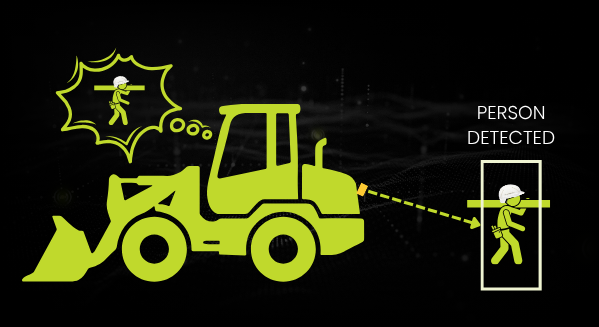
A worker alert always carries its own clear meaning, so operators never confuse a person with an object.
It Adds Useful Context
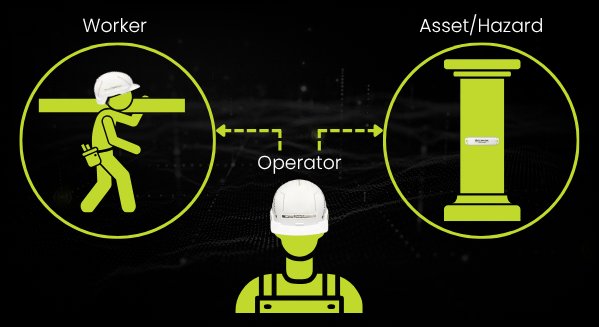
Operators gain awareness of important assets and zones without diluting the priority of protecting people on foot.
The result is a more informative proximity detection system that gives site leaders control over what the system recognizes, while keeping every alert clear and meaningful.
Practical Use Cases for Asset-Specific Detection
Asset-specific detection gives you the flexibility to mark whatever matters most on your site. Because you decide what gets tagged, the technology adapts to the specific risks and priorities of your operation.
Protect High-Value or High Risk Assets

- Tag high-value or high-risk assets so operators know when they are approaching them. This helps prevent costly damage and reinforces caution around equipment and infrastructure that demand it
- Examples: wellheads, structural columns, fuel tanks, temporary generators, trailers or transport equipment
Mark Fixed Hazard Zones

- Reinforce awareness in areas that require extra caution. Marking these zones gives operators a dependable reminder the moment they enter a detection zone.
- Examples: excavation areas, temporary work zones, and restricted-access areas.
Identify Specific Equipment or Objects

- Give operators awareness of objects that may enter or occupy a detection zone, or identify specific assets, adding clarity in busy, congested work areas.
- Examples: Parked vehicles, attachments, containers, dumpsters/bins, etc.
Across each of these cases, the value is the same: operators gain a clearer picture of their surroundings, and your team decides exactly what the system should help them see.
Benefits for Operators and Safety Teams
Asset-specific detection delivers practical advantages that strengthen situational awareness and support your broader safety program.
Stronger Situational Awareness
Operators gain reliable awareness of the assets and zones you have marked, giving them more context about what sits inside a danger zone. That clarity supports better decisions in the moments that matter.
No False Alarms
Because the system responds only to passive RFID tags, it does not react to arbitrary objects, materials, or general movement around the machine. Every Asset alert reflects something you deliberately chose to tag, which keeps alerts meaningful and helps prevent the nuisance alarms that lead to operator fatigue.
No Batteries or Maintenance
Marker Tags are battery-free and maintenance-free once deployed, and typically last 20+ years. There is nothing to charge, replace, or manage across your site, so the system stays dependable across shifts, seasons, and conditions.
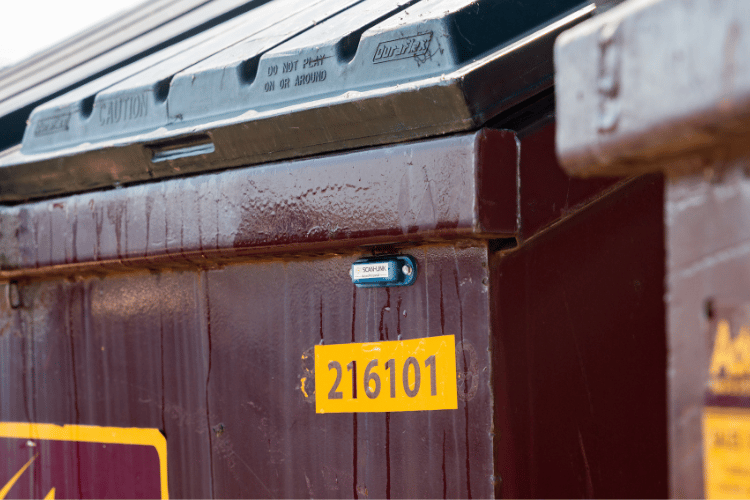
SCAN~LINK Marker Tag on a garbage bin
Flexible and Scalable Control
You decide what the system detects. Whether you are marking a single high-value asset or defining hazard zones across an entire site, asset-specific detection scales to fit your operation without adding complexity. And with SCAN~LINK's SCAN~VUE Telematics platform, site leaders can also see where a tagged asset was last detected, giving them an additional layer of visibility over the assets and zones that matter most.
Extend Your Passive RFID Protection
Asset-specific detection builds on the same trusted passive RFID technology that protects your people, giving operators clear awareness of the assets, equipment, and hazard zones that matter most. With SCAN~LINK Marker Tags, you gain the flexibility to decide what the system recognizes, the clarity of distinct alerts for people and assets, and the reliability or a battery-free solution built for demanding jobsite conditions.
Learn more about SCAN~LINK Marker Tags to see how passive RFID asset detection can strengthen awareness across your operation.
To explore the full technology behind this approach, visit the Person-Specific Detection page or return to the Understanding Passive RFID hub. If you have questions, want more information, or with to request a quote tailored to your jobsite, contact our safety specialists.
Explore More About Passive RFID Technology, Safety PPE, and Proximity Detection Systems
Understanding Passive RFID
Learn about passive RFID detection technology and how it can be applied in a worker safety context.
SCAN~LINK Marker Tags
Learn more about passive RFID Marker Tags and how asset-specific detectopm helps operators identify high-value assets or tagged hazards.
Passive RFID-tagged PPE
Learn about SCAN~LINK's passive RFID-tagged PPE that enables the Armour System™ to detect people specifically rather than objects.
FAQs About Asset-Specific Detection & False Alarms
Get clear answers about how SCAN~LINK's passive RFID technology delivers asset-specific detection, reduces false alarms, and helps your operators be more aware of what's around them on the jobsite.
What is asset-specific detection?
Asset-specific detection means the system alerts operators only to the tagged assets you choose to detect. Instead of responding to everything in the environment, SCAN~LINK's passive RFID technology recognizes specific tagged items, such as equipment or hazards marked with passive RFID marker tags. This gives operators precise, meaningful alerts about the hazards that actually require attention.
How do passive RFID Marker Tags work on fixed assets?
Passive RFID marker tags can be applied to fixed assets like generators, wellheads, fuel tanks, and structures that may be difficult to see from inside the cab. When equipment approaches a tagged asset, the antenna detects the tag and alerts the operator before contact.
And because the tags are passive, they require no batteries, no charging, and no ongoing maintenance, and can last typically 20+ years.
How is this different from systems that generally detect objects?
Many detection approaches respond to any object that enters range, which can flood operators with alerts for materials, terrain, or routine surroundings. SCAN~LINK detects only what you choose to tag. That focused approach means operators receive alerts tied to real, defined hazards rather than a constant stream of unnecessary warnings, keeping their attention on what truly matters.
How does asset-specific detection reduce false alarms?
False alarms happen when a system cannot tell the difference between a genuine hazard and normal surroundings. Because SCAN~LINK responds only to tagged workers and assets, it eliminates the nuisance alerts common during routine tasks. The result is fewer distractions, less operator workload, and faster, more confident responses when a real alert is triggered.
How are worker and asset detections differentiated?
The In-Cab Display Unit delivers distinct visual and audible cues depending on what the system has detected. A worker detection and an asset detection each trigger their own unique alert, so operators can immediately tell whether a tagged ground worker or a tagged asset has entered the danger zone. That clear differentiation means operators always know what they are responding to, which supports faster, more informed decisions in the moment and preserves the urgency of worker alerts without confusion.
We're Here to Support Your Safety Goals
Contact us to learn how SCAN~LINK’s passive RFID safety solutions improve safety and compliance, or request pricing and a detailed quote tailored to your jobsite.
Contact Us
Contact Us
13 Windward Dr.
Unit 204
Grimsby, Ontario
L3M 4E8
T: 1-905-304-6100
Toll Free: 1-866-554-5582
info@scan-link.com