
What is a Proximity Detection System?
Understanding How Proximity Detection Improves Heavy Equipment Safety
What is a Proximity Detection System?
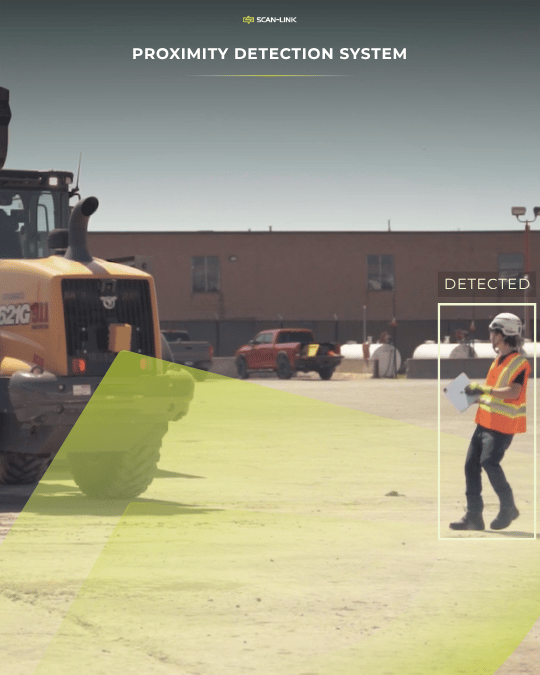
A Proximity Detection System is a safety system designed to identify when a worker, pedestrian, vehicle, or tagged hazard enters a defined area around moving equipment or machinery. When that happens, the system provides an alert to help operators and nearby workers respond before contact occurs.
On industrial worksites, proximity detection systems are used to improve awareness around blind spots, support safer vehicle-pedestrian interaction, and help reduce the risk of struck-by incidents involving heavy mobile equipment.
In environments where operators must work around ground crews, reversing equipment, fixed hazards, and limited visibility, proximity detection adds an important layer of awareness that supports safer decisions in real time.
Watch: See how a Proximity Detection System detects people and gives two-way alerts to the worker and the heavy equipment operator
How Does a Proximity Detection System Work?
A proximity detection system works by monitoring a configured area around equipment, often called a detection zone or hazard zone. When a worker, object, vehicle, or tagged item enters that zone, the system detects it and triggers an alert.
While systems vary by technology and setup, most follow the same basic process:
1. A Detection Zone is Established
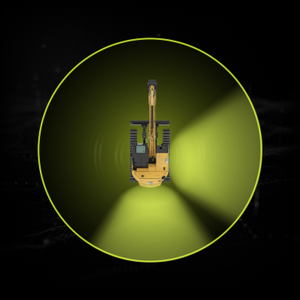
A zone is configured around the equipment based on the work environment. machine type, and level of risk.
2. The System Monitors That Zone
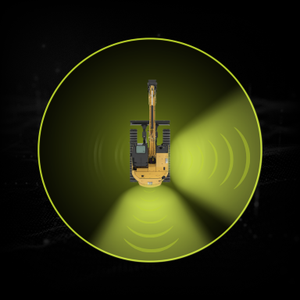
The system actively scans or senses activity within the configured area while the machine is operating.
3. A Detection Event Occurs
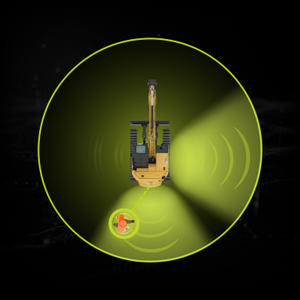
When a person, tagged worker, or other monitored presence enters the zone, the system recognizes that event.
4. An Alert is Triggered
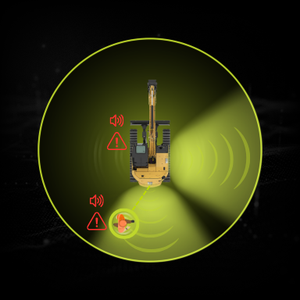
The operator and nearby worker are both are warned through visual alerts, audible alerts, or external alarms.
Some proximity detection systems record detections with details such as time, date, and event data so safety teams can review patterns and improve site controls. This process helps create earlier awareness in the moments when reaction time matters most.
Key Terms You Should Know
To understand how a proximity detection system works, it helps to understand a few common terms used in worksite safety and detection programs.
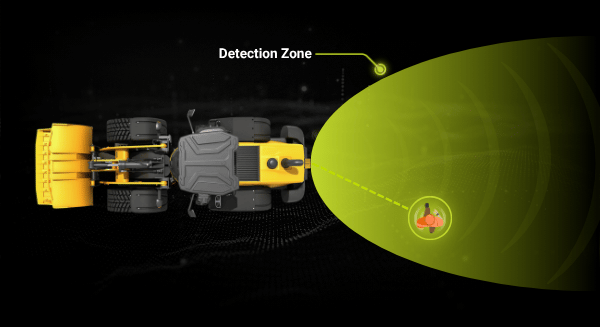
Detection Zone
The configurable area around equipment where the system actively monitors for workers. When a person enters this configured zone, the proximity detection system can generate an alert to improve operator awareness and help prevent potential collisions.

Blind Spot
A blind spot is an area around heavy equipment where an operator has limited or no visibility due to equipment design, size, or surrounding conditions. Proximity detection systems help address blind spots by providing additional awareness when workers enter areas the operator may not be able to see directly.
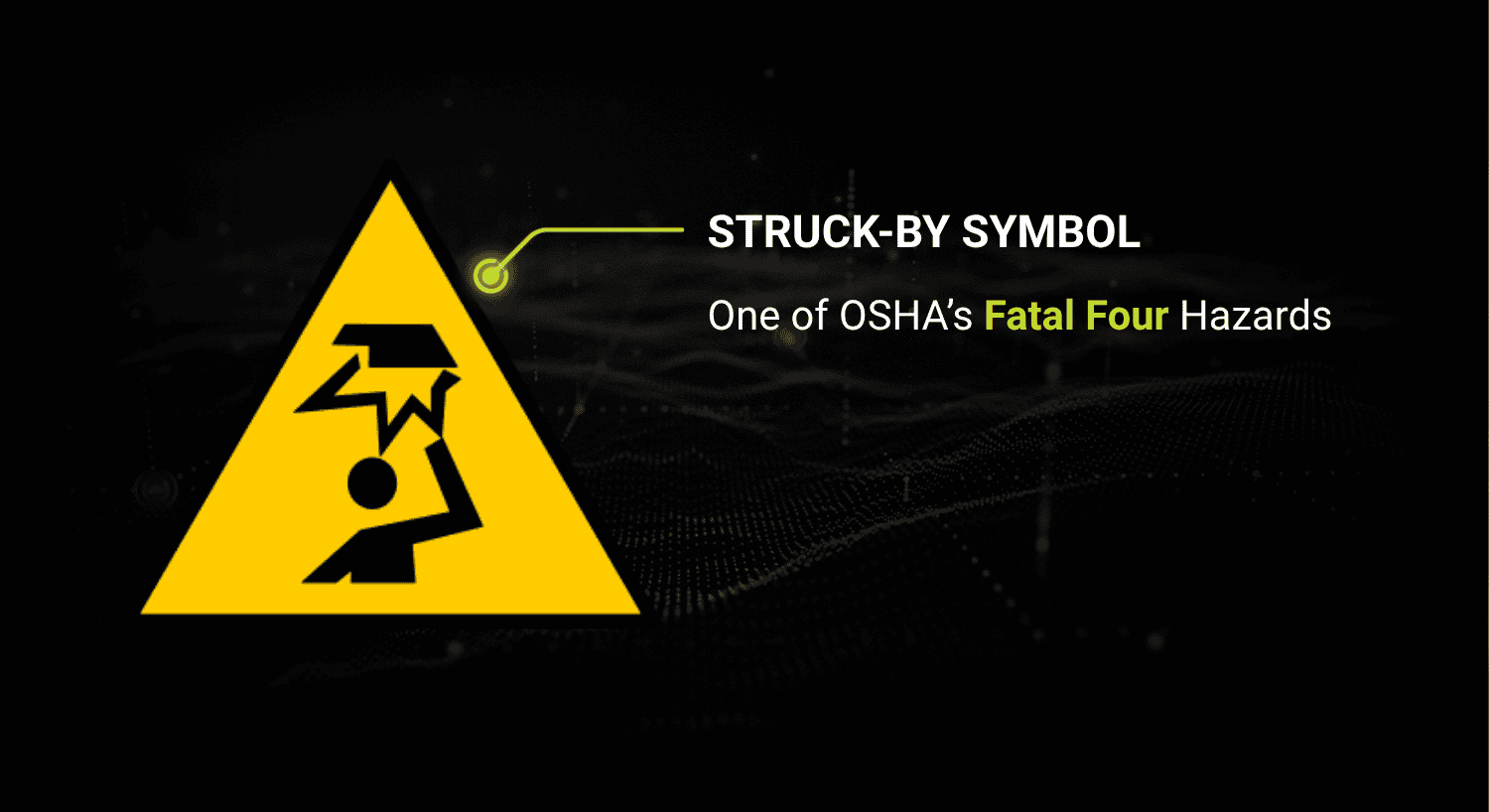
Struck-By Incident
An event where a worker is hit by moving equipment, a vehicle, or a load. These incidents are a significant hazard in industries such as construction, mining, forestry, and industrial operations, especially in areas where workers and mobile equipment operate close together.
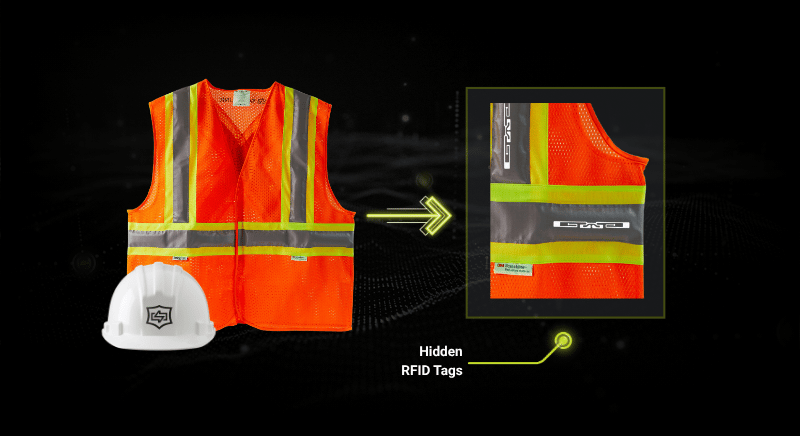
Tagged PPE
Tagged PPE refers to personal protective equipment that contains an integrated identification tag used by a proximity detection system. This is specific to a passive RFID-based proximity detection system. In SCAN~LINK applications, passive RFID tags are embedded directly into safety apparel and can be placed onto existing hard hats. This allows the system to identify tagged workers near equipped machinery without requiring batteries or worker interaction.
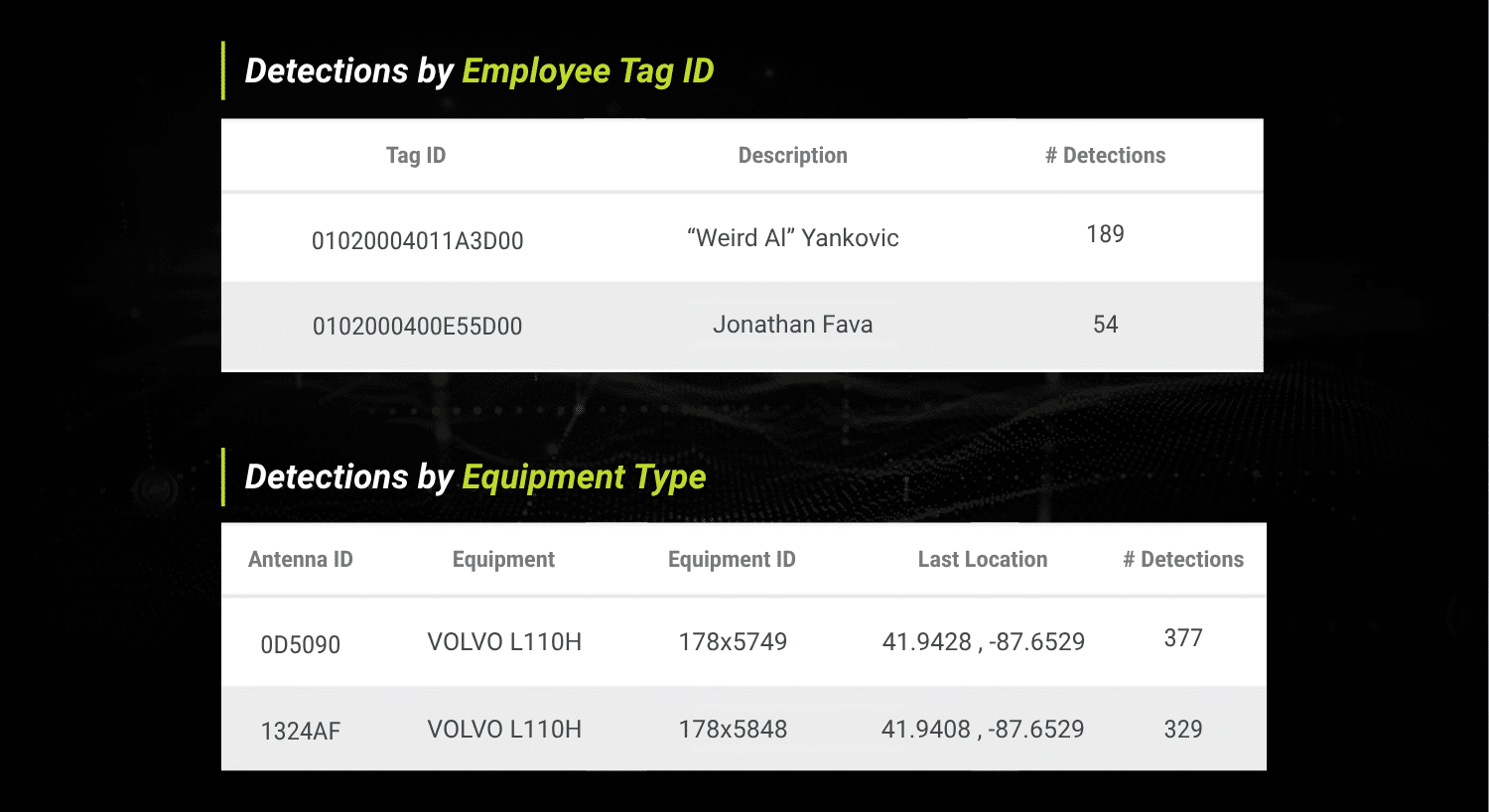
Event Logging
Event logging is the automatic recording of detection activity, such as when a worker enters a detection zone. This data can help safety teams identify recurring risks, review near misses, and support continuous improvement.
Where Are Proximity Detection Systems Used?
Proximity detection systems are used anywhere workers and equipment operate close together and visibility, reaction time, or environmental conditions increase risk.
Common applications include:
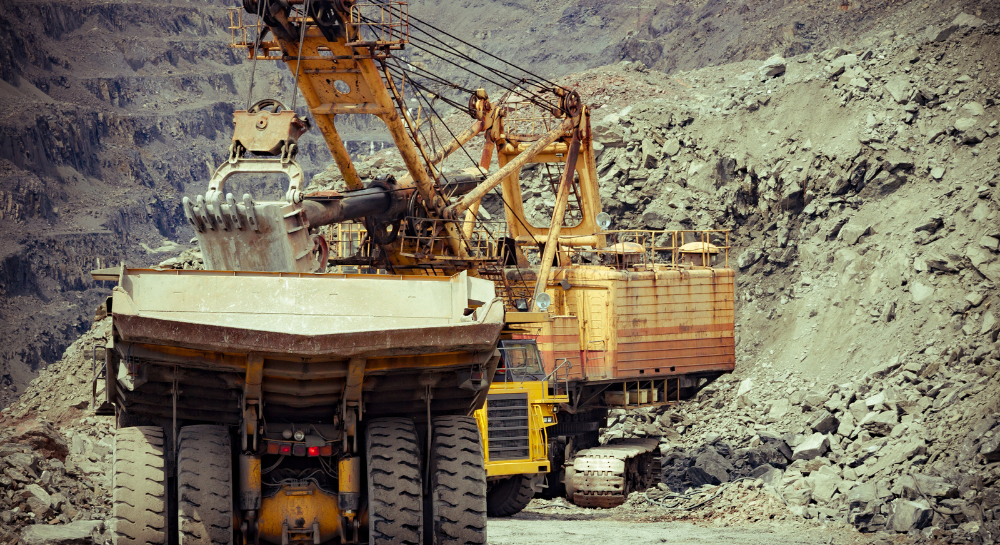
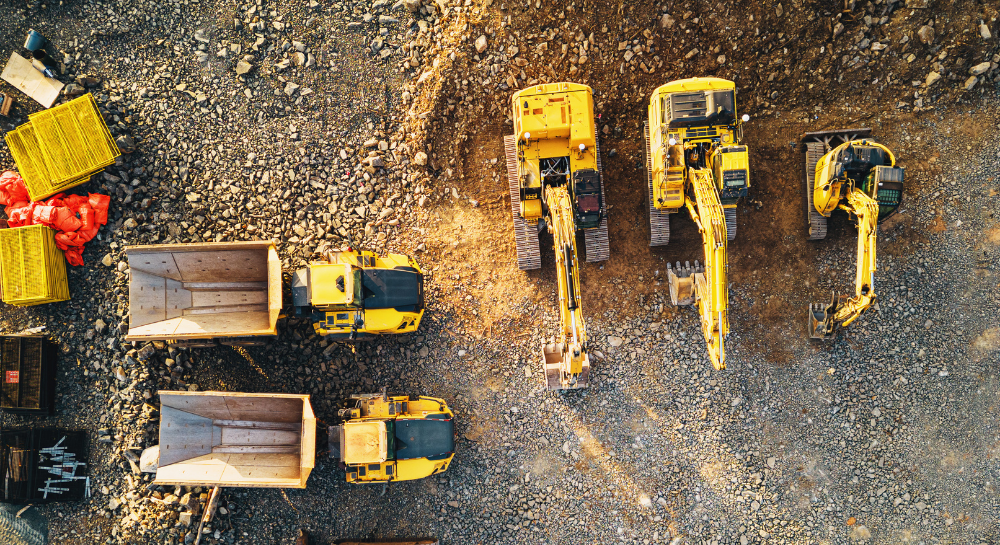
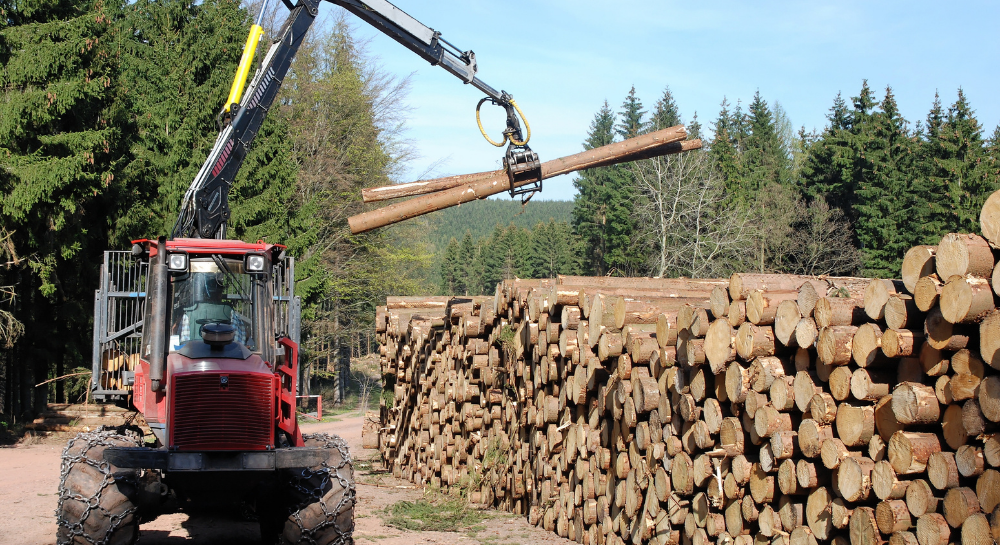

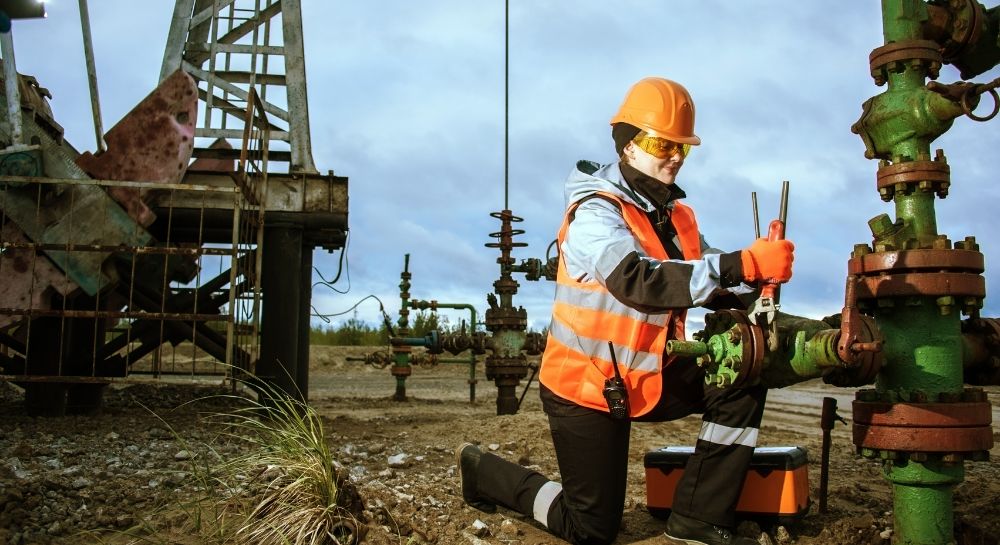

In each of these settings, the challenge is similar: people on foot and moving machinery share the same space. Proximity detection helps improve awareness where that interaction creates safety risk.
How Proximity Detection Helps Prevent Struck-By Incidents
Struck-by incidents often happen when a worker enters a hazardous area without the operator realizing it soon enough to react.
1. Equipment Is Reversing
2. Workers Are Moving Around Heavy Machinery
3. Blind Spots Are Large
4. Environmental Conditions Reduce Visibility
5. Multiple Tasks Are Happening at Once
6. Noise and Distraction Make Communication Harder
A proximity detection system helps by creating an earlier warning point.
Instead of relying only on sight, sound, or routine, the system adds automatic awareness when someone enters a danger zone. That alert gives the operator more time to stop, slow down, or reassess movement. In some applications, it also alerts the worker, helping both people recognize the hazard before contact occurs.
This matters because struck-by prevention depends on timing. The sooner a hazard is detected, the more opportunity there is to avoid an incident.
What Safety Teams Should Look for in a Proximity Detection System
Not every proximity detection system is built for the same environment or use case. Safety teams should evaluate systems based on how well they support their actual operational risks.
Key considerations include:
Reliable Detection
The system should provide consistent performance in the conditions where the equipment operates
Fit For the Environment
Worksites with dust, dirt, rain, snow, vibration, and low light require technology that can support dependable detection under demanding conditions.
Alerting Approach
A useful system should make alerts easy to recognize and act on, whether through in-cab warnings, external alarms, or both.
Maintenance Requirements
The simpler a system is to maintain, the easier it is to keep it active and effective over time.
Configurable Detection Zones
Different machines and applications require different levels of coverage. Adjustable zones help align detection with real worksite conditions.
Event Visibility
Systems that record detection events can provide valuable safety insight beyond the alert itself.
Operational Fit
The best system is one crews can adopt consistently without creating unnecessary complexity or additional burden.
How Passive RFID Supports Proximity Detection
Passive RFID is one approach used in proximity detection systems for heavy equipment safety.
In a passive RFID-based system, workers wear tagged PPE such as safety vests or hard hats containing battery-free RFID tags. An antenna mounted on the equipment scans a defined area around the machine. When a tagged worker enters that zone, the system detects the tag and triggers an alert.
This approach supports proximity detection in several practical ways:
Battery-Free Tags Reduce Maintenance
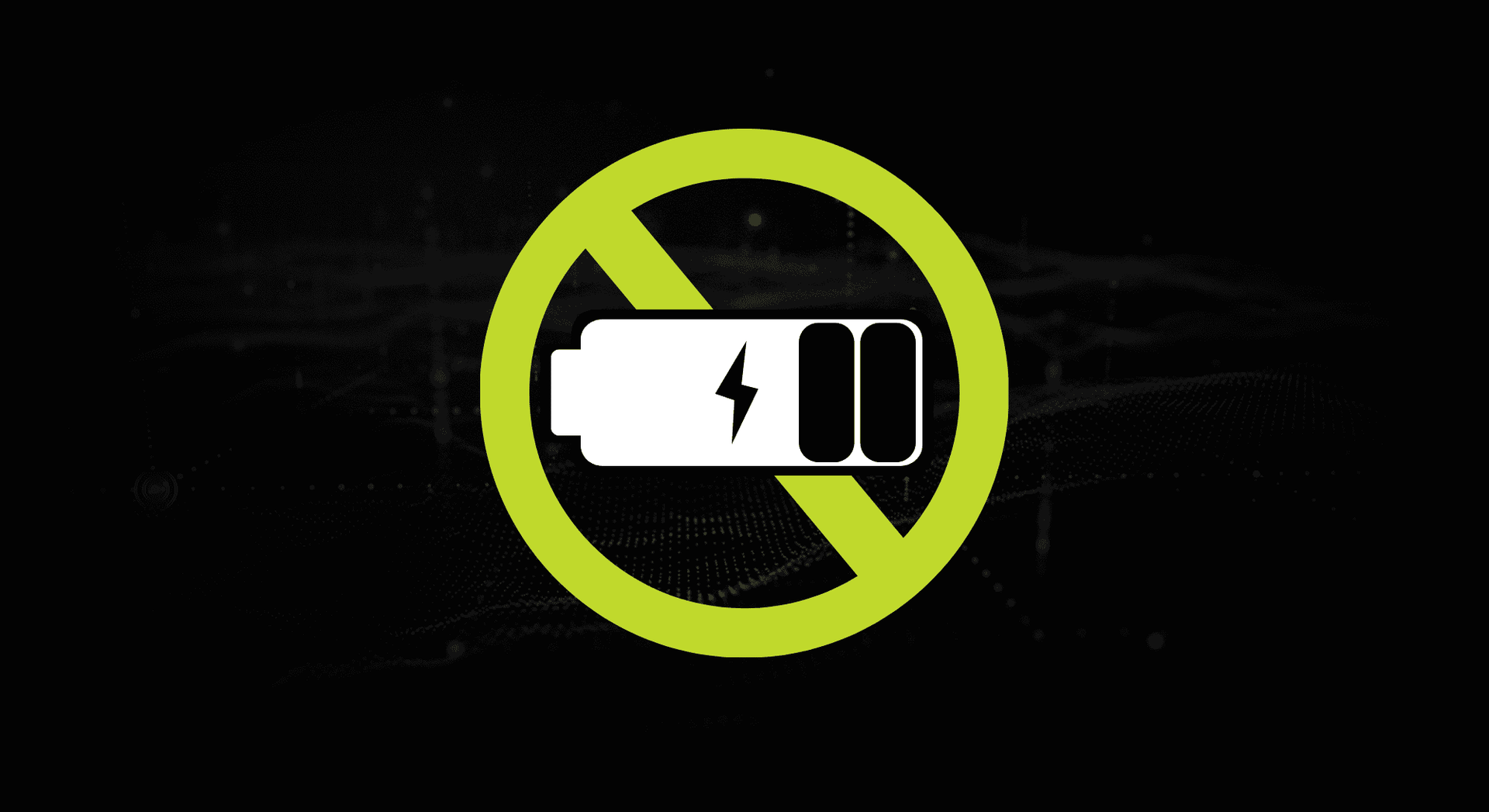
Passive RFID tags require no batteries or charging, which helps reduce upkeep for safety teams. This makes the system easier to manage across workers and sites.
Tagged PPE Fits Into Everyday Safety Gear
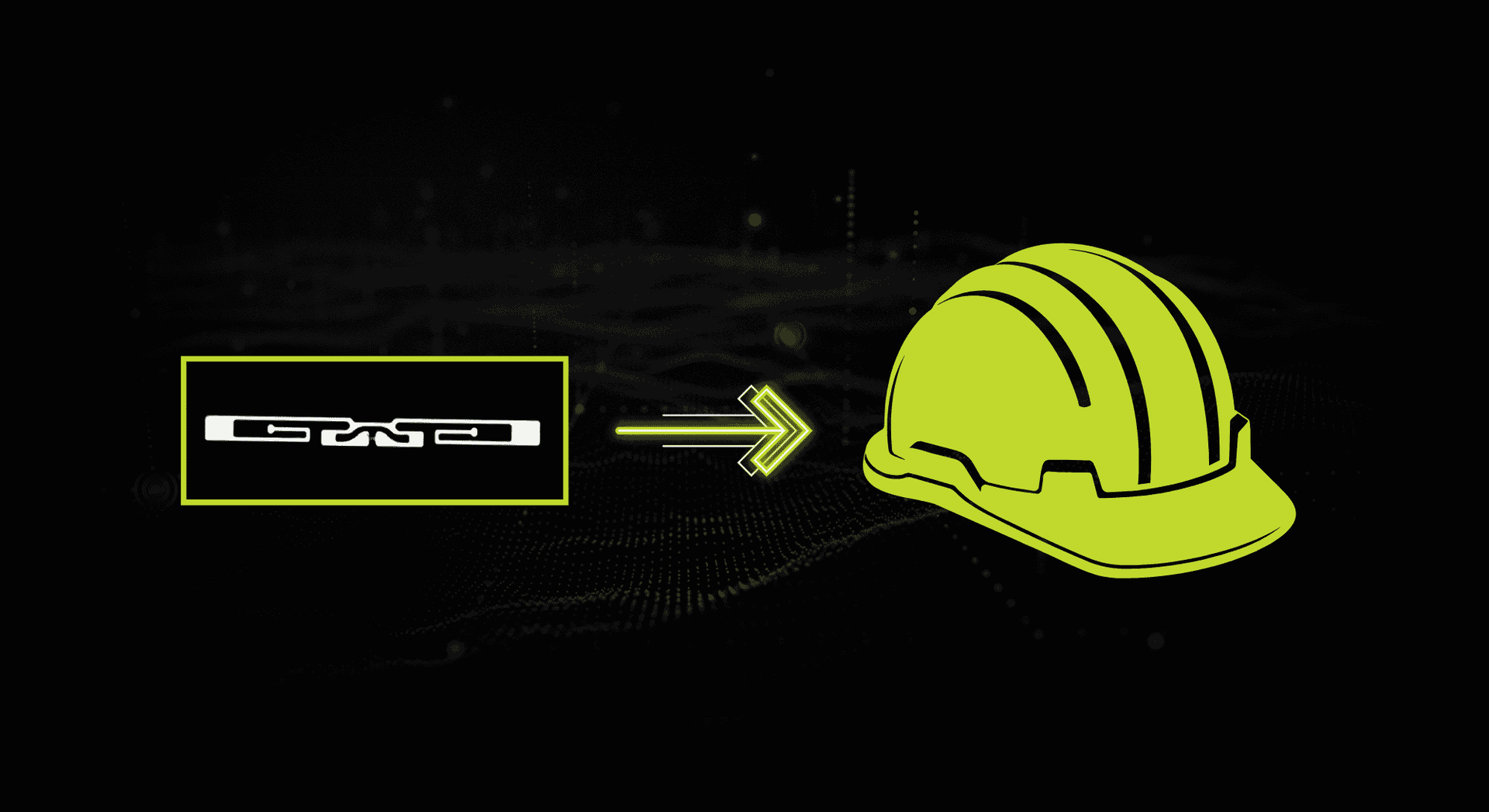
Tags can be embedded into vests or added to hard hats, making detection part of the PPE workers already wear. That helps support consistent use without adding another device to manage.
Defined Detection Zones Improve Awareness
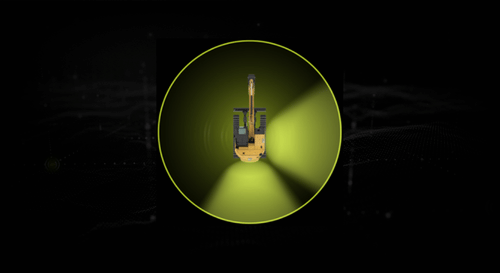
Passive RFID systems monitor a specific area around equipment where worker interaction is most likely. This helps focus attention on higher-risk zones around the machine.
Two-Way Alerts Support Faster Response
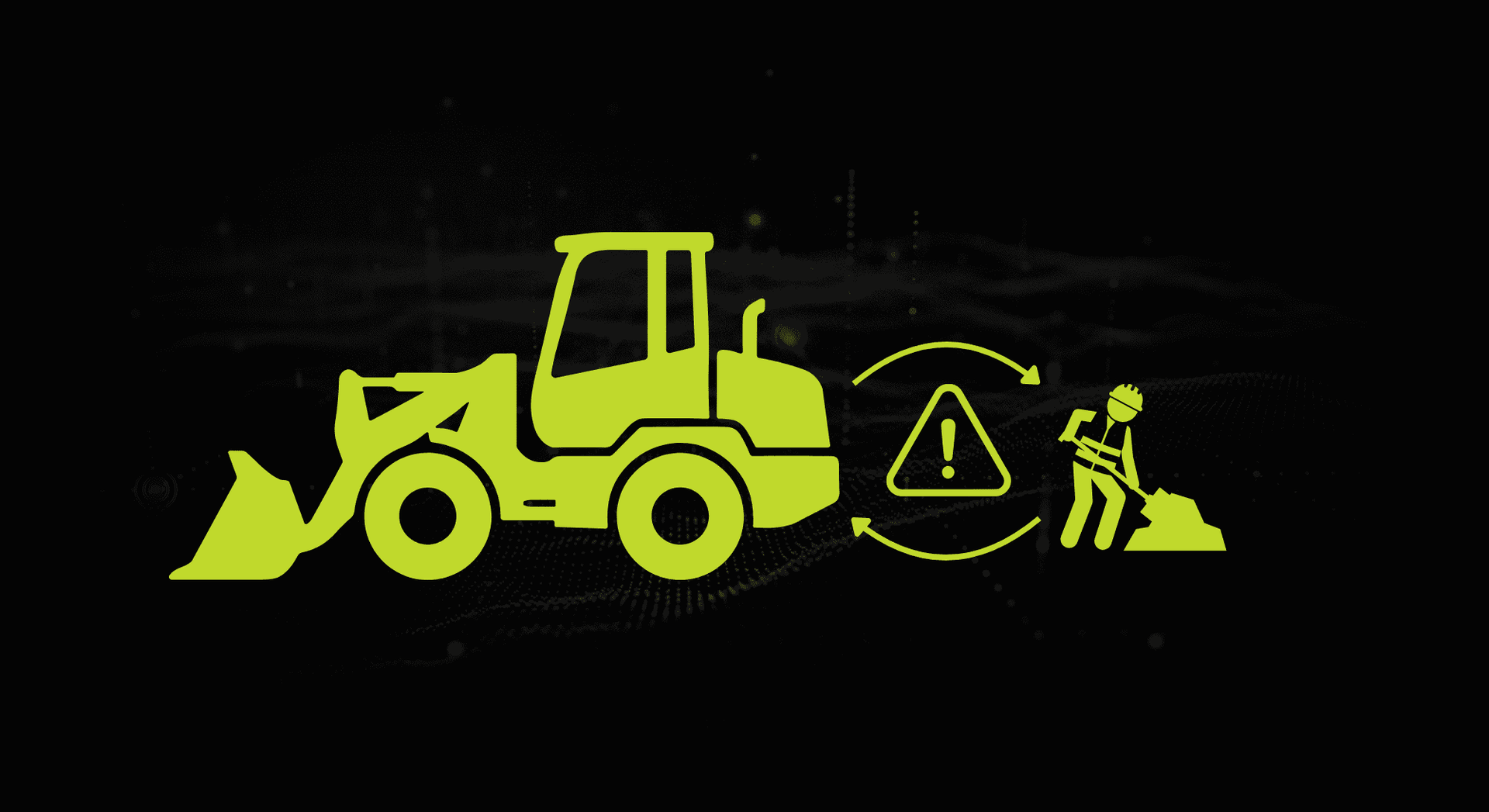
The system can alert both the operator and the worker at the same time. This shared awareness gives both people more time to react.
Event Logging Creates Useful Safety Data

Detection events can be recorded for later review. That data helps safety teams identify patterns, review near misses, and improve worksite planning.
Reliable Performance in Tough Conditions

The system is designed to perform reliably in hazardous industrial conditions, maintaining consistent performance in dust, dirt, rain, snow, fog, and low-light conditions commonly found on active jobsites.
For worksites focused on heavy equipment safety, passive RFID provides a structured way to support worker detection and improve awareness around mobile machinery.
FAQs About Proximity Detection Systems
Find answers to common questions about proximity detection systems, how they work, and how they help detect workers and assets around mobile equipment.
What is a proximity detection system used for?
A proximity detection system is used to improve awareness around equipment and help reduce the risk of collisions, near misses, and struck-by incidents when workers and machinery operate close together.
How does a proximity detection system help prevent struck-by incidents?
It helps by detecting when a worker, object, or tagged presence enters a hazard zone and triggering an alert before contact occurs, giving operators and workers more time to respond.
What is a detection zone in a proximity detection system?
LEARN MOREA detection zone is the configured area around a piece of equipment where the system actively monitors for a person, object, or tagged worker.
Are proximity detection systems only used on heavy equipment?
No. Proximity detection can be used in a variety of industrial applications, including conveyor systems. For example, detection systems can identify a worker who has fallen onto a conveyor and trigger an emergency stop, helping prevent the conveyor from carrying the worker into downstream equipment such as balers or shredders.
Click here to learn more about how passive RFID proximity detection systems can be used in a conveyor setting.
Can a proximity detection system alert both the operator and the worker?
Yes. Some systems are designed to alert the operator, the worker, or both, depending on the system design and application.
Do proximity detection systems replace safe work procedures?
No. A proximity detection system is intended to support safety procedures, training, and site controls, not replace them.
What kind of data can a proximity detection system record?
Some systems can log events such as detections, timestamps, equipment interactions, and other activity that helps safety teams review near misses and identify high-risk patterns.
How does passive RFID fit into a proximity detection system?
Passive RFID can be used to detect tagged workers through battery-free tags embedded in PPE. When a tagged worker enters the defined detection zone, the system can trigger an alert and log the event.
Click here to learn more about how passive RFID can work as a safety system.
We're Here to Support Your Safety Goals
Contact us to learn how SCAN~LINK’s passive RFID safety solutions improve safety and compliance, or request pricing and a detailed quote tailored to your jobsite.
Contact Us
Contact Us
13 Windward Dr.
Unit 204
Grimsby, Ontario
L3M 4E8
T: 1-905-304-6100
Toll Free: 1-866-554-5582
info@scan-link.com