Preparing Heavy Equipment Sites for Winter: Key Risks and Safety Controls
Winter conditions reduce visibility around heavy equipment through snow, ice, fog, and low light, which increases struck-by risk for ground workers. Jobsite leaders can manage this risk by winterizing equipment, maintaining clear pedestrian routes, watching for cold stress symptoms, and using reliable worker safety systems like passive RFID detection that function regardless of lighting conditions.
Winter changes the entire profile of working around mobile and heavy equipment. Shorter daylight hours, obstructed sightlines, and icy ground conditions combine to create new hazards for operators and ground crews. For safety officers, operations managers, and site leaders responsible for preventing incidents, understanding how winter specifically affects equipment visibility and operator awareness is the first step towards keeping crews safe throughout the winter season.
Why Does Winter Reduce Visibility Around Equipment?
Snow accumulation, ice buildup, and fog can obstruct an operator's mirrors, windshields, and lights, narrowing their field of view while ground conditions demand more caution. Shorter winter days also mean more operations occur in low-light or dark conditions. OSHA's winter weather guidance addresses these risks directly, recommending that employers ensure workers inspect key vehicle systems (including visibility components like lights, defrosters, and windshield wipers) before winter operations begin, and that safe driving behaviours are enforced throughout the season.
For heavy equipment specifically, reduced visibility compounds existing blind spot challenges. Mirrors and cameras depend on clear sightlines and adequate lighting to function as intended. When snow, frost, or fog interfere with these systems, operators lose a layer of awareness they normally rely on to spot nearby workers.
How Does Winter Increase Struck-By Risk on Jobsites?
Struck-by incidents are already one of the most serious hazards around mobile equipment, and winter conditions widen the margin for error. Reduced visibility means operators have less time to identify a worker in their path. Icy or snow-covered ground also extends stopping distances and reduces an operator's control margin when sudden maneuvers are needed.
This combination, less visual information and less time to react, is why struck-by risk tends to climb during winter months. It's a pattern worth building directly into seasonal safety planning rather than treating as a secondary concern behind slips and cold exposure.

Winter Slip and Fall Risks Around Equipment Access Points and Pedestrian Routes
Ice and packed snow around equipment steps, ladders, and walkways turn routine access points into fall hazards. Pedestrian routes between work areas and equipment staging zones are especially vulnerable, since foot traffic can compact snow into slick surfaces throughout the day. OSHA recommends clearing snow and ice from walking surfaces as quickly as possible after a winter storm and applying deicer where appropriate, while MHSA's winter safety guidance advises clearing walkways, ramps, and work areas regularly and applying salt or sand where needed to prevent slips, trips, and falls.
Keeping these zones clear isn't just a housekeeping task. It directly supports the broader goal of reducing worker presence in equipment blind spots, since a worker who slips near an operating machine faces compounded risk.
Can Cold Stress Affect Worker Coordination Around Equipment?
According to NIOSH's guidance on cold stress, cold stress occurs when the body loses heat faster than it can replace it — a risk that rises with cold temperatures, wind, and wet conditions. NIOSH identifies hypothermia, frostbite, and trench foot as cold-related illnesses workers may face, and notes that early-stage hypothermia can involve fatigue, reduced coordination, and confusion.
For workers moving around active equipment, even a modest reduction in dexterity or alertness matters. A worker who is cold, fatigued, or slower to react has less margin to respond if an operator's visibility is also compromised. This is why cold stress awareness belongs in the same conversation as equipment visibility, not treated as an unrelated winter concern.
What Equipment Winterization Steps Support Operator Awareness?
Pre-season inspection and winterization help ensure operators have every available tool working in their favour. Key areas include:
Batteries & Fuel Lines
Cold temperatures strain battery performance and can affect fuel systems, so pre-season checks help prevent mid-shift failures.
Brakes
Icy conditions demand reliable braking performance, making brake inspections a priority before winter operations begin.
Heaters & Defrost Systems
Functioning cab heaters and defrosters keep windshields and mirrors clear, directly supporting operator sightlines.
Mirrors & Lights
Clean, undamaged mirrors and properly functioning lights are basic but essential tools for maintaining visibility in low-light winter conditions.
OSHA's winter weather guidance specifically recommends that employers implement an effective maintenance program for all vehicles and equipment workers are required to operate, and that key systems (including brakes, electrical components, tires, and visibility systems) be inspected before winter operations begin. Pre-season preparation is treated as a core employer responsibility, not an optional precaution.
Why Do Harsh Winter Conditions Call for Reliable Worker Detection?
Winterization and good housekeeping reduce risk, but they don't eliminate the core challenge:
operators still depend on visual cues that winter conditions routinely compromise. This is where the value of a dependable worker detection system becomes clear. Harsh winter conditions increase reliance on safety systems that don't depend on visual or lighting conditions at all.
A passive RFID worker detection system, like SCAN~LINK's Armour System™, provides operator awareness that functions independent of lighting conditions. Because it doesn't rely on an operator's direct sightline or good lighting to detect a tagged worker, it offers a consistent layer of protection through snow, fog, and the shortened daylight hours that define winter operations. Equally important is that the system itself is built to perform in real-world winter conditions. Harsh cold, ice, and the kind of wet, debris-heavy environments that come with a northern winter are exactly the settings the Armour System is designed for. And because passive RFID tags are completely battery-free and maintenance-free, with no charging cycles, no battery replacements, and no components for workers to manage, there's one less reliability concern when conditions are at their most demanding. When winter is at its most demanding, your worker detection system needs to be at its most reliable, and a system built for tough outdoor environments delivers that.
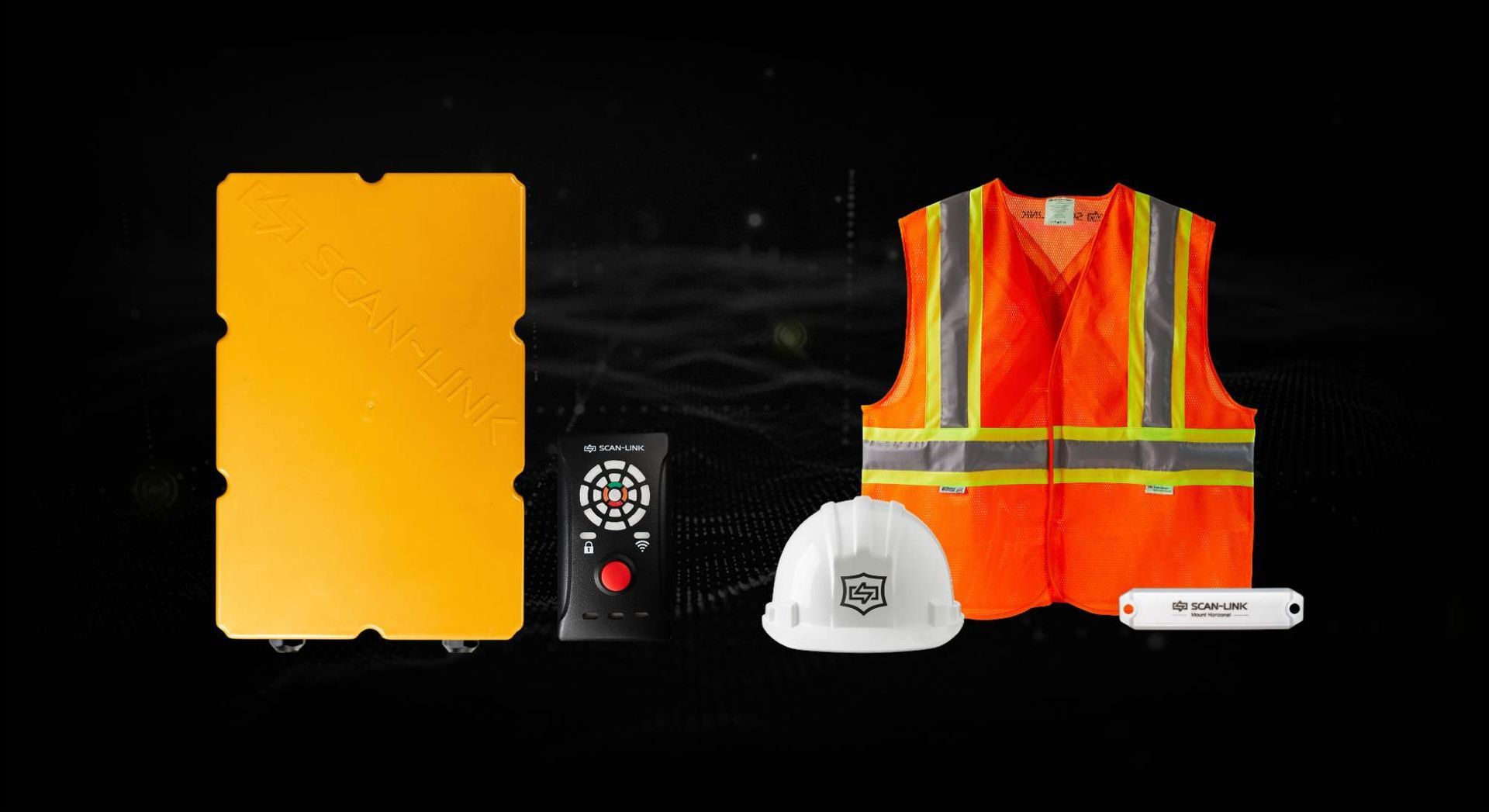
SCAN~LINK's Armour System™: An Antenna Unit, Display Unit, RFID-tagged worker PPE, and Marker Tags.
Building a Winter-Ready Safety Plan
Winter amplifies existing hazards on the jobsite. Struck-by incidents, slips and falls, and cold-related health risks all become harder to manage when visibility is down, ground conditions are slick, and operators have less margin to respond.
If your winter safety plan doesn't yet account for how operator awareness holds up when visibility drops, now is the right time to address it.
Contact SCAN~LINK's safety specialists to learn how passive RFID worker detection can support your site through the conditions that make this season the most demanding.
Common Questions About Winter Jobsite Safety
Why does winter make struck-by incidents more likely around heavy equipment?
Winter works against operators from multiple directions at once. Snow, fog, and shorter daylight hours shrink what an operator can see, while icy ground reduces their ability to stop quickly or manoeuvre when it counts.
What does OSHA say about preparing for winter jobsite conditions?
Learn More About OSHA's Winter GuidelinesOSHA's winter weather guidance covers slip and fall prevention, safe vehicle and equipment operation, cold stress risks, and pre-season maintenance — including inspecting brakes, electrical systems, tires, and visibility components like lights, mirrors, and defrosters. It's a practical and authoritative starting point for any seasonal safety review, and it frames pre-season preparation as an employer responsibility, not an optional step.
Does cold weather actually affect how workers perform on site?
Learn More About NIOSH's Winter GuidanceIt can. NIOSH's cold stress guidance identifies hypothermia, frostbite, and trench foot as cold-related illnesses workers may face in cold environments, and notes that early-stage hypothermia can cause fatigue, reduced coordination, and confusion. For workers moving around active equipment, that kind of physical impairment adds real risk — especially when operator visibility is already compromised.
How does passive RFID hold up in tough winter conditions?
Learn More About Passive RFIDReliably. Passive RFID tags are completely battery-free and maintenance-free, and require no charging, no replacements, and nothing for workers to manage in the field. The system detects tagged workers without depending on lighting or sightlines, so it remains a consistent layer of operator awareness through snow, ice, fog, and the low-light conditions that come with shorter winter days. When conditions are at their most demanding, that combination of hardware durability and detection reliability matters.
Is winterizing your equipment enough on its own?
Winterization is a strong starting point, but it's only one layer. Clear pedestrian routes, active cold stress monitoring, and a worker detection system that holds up when visibility drops all work together to give your site the full coverage winter demands.
Ready to add a proven layer of worker detection to your winter safety plan? Contact SCAN~LINK to find out how the Armour System™ fits your equipment and site layout, and what it takes to get passive RFID protection in place before conditions get worse.