What Causes False Alarms in Proximity Detection Systems?
A proximity alarm only protects workers if operators trust it. When an alert sounds for a pile of debris, a parked machine, or nothing at all, operators learn that the alarm doesn't always mean a person is nearby. After enough nuisance alerts, a real warning becomes background noise.
That is how false alarms in proximity detection systems turn into a serious safety risk. They lead to alert fatigue, and alert fatigue leads to ignored warnings in the moments that matter most. OSHA identifies struck-by hazards as one of the construction industry's "Focus Four" hazards, so a warning system that crews tune out does more than frustrate them. It weakens a core defence against one of the most serious risks on the jobsite.
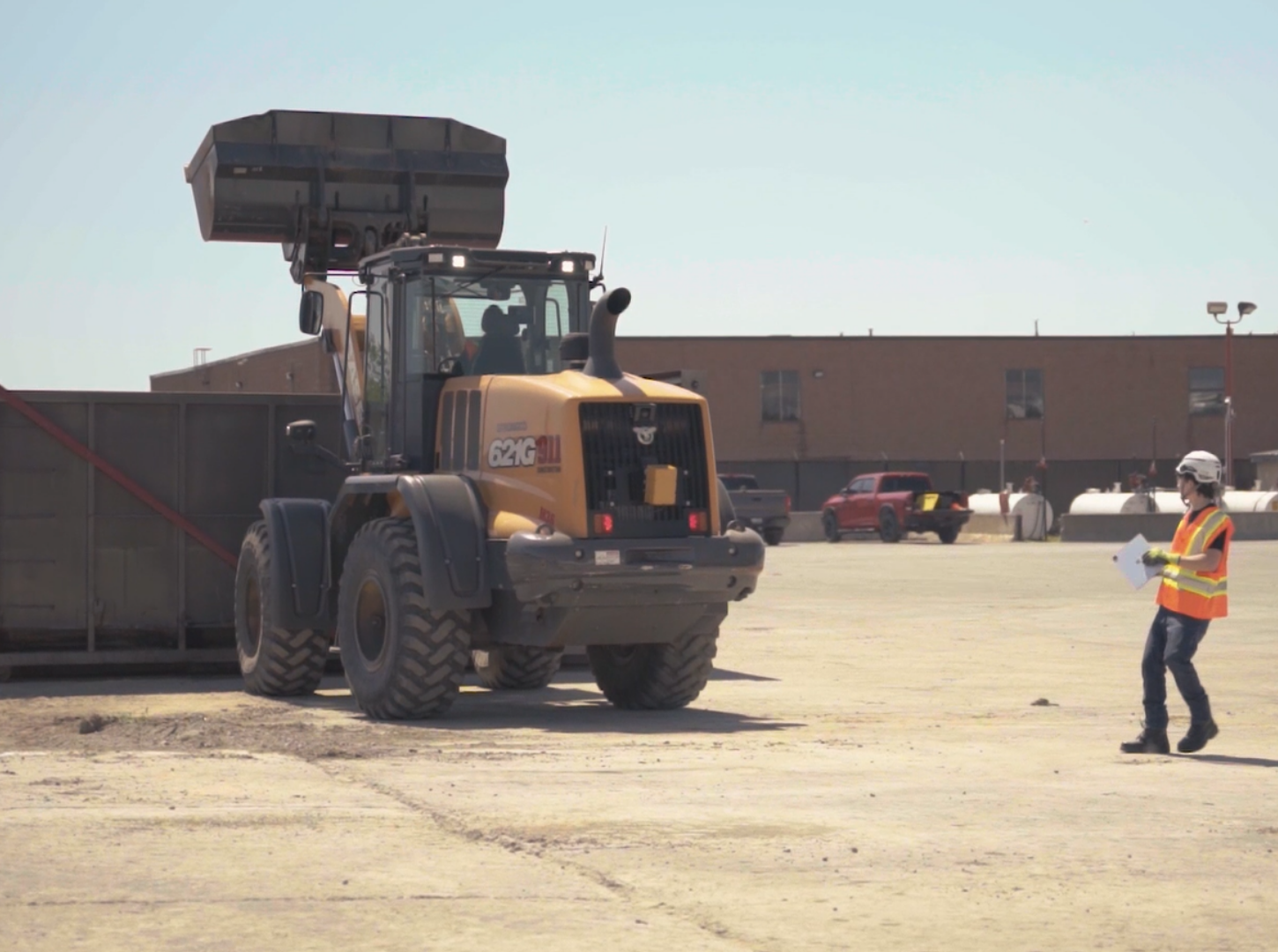
This article explains the five most common causes of false alarms, why each one erodes trust, and what to look for when you evaluate worker detection for heavy equipment.
Why False Alarms Matter More Than You Think
A false alarm costs more than a few seconds of distraction. Each one teaches the operator that the system can be wrong. Over time, operators respond more slowly, second-guess alerts, or ask to turn the system down or off.
For safety leaders, this creates a hidden gap. The equipment is installed and the program looks complete on paper. In practice, the protection is weaker than it appears.
Why this matters: A detection system is only as effective as the operator's response to it. Reliability builds trust, and trust drives action.
The 5 Most Common Causes of False Alarms
1. Detecting Objects Instead of People
Many proximity detection systems react to anything within range. That approach can flag debris piles, pallets, barriers, other machines, or stockpiled material as hazards.
On a busy construction site, waste facility, or mine, these objects are everywhere. If the system can't tell a person from a pile of material, it will alert constantly. Operators then have to judge for themselves whether each alert carries the same weight, or whether some alerts may not matter, which defeats the purpose of automated detection.
Person-specific detection solves this. Passive RFID safety systems only respond to RFID-tagged personnel, so an alert means a tagged worker has entered the predetermined danger zone around a piece of equipment. Debris, and everyday structures do not trigger worker alerts.
2. Battery Dependent Tag Failures
Tag-based systems that rely on batteries add another failure point. Batteries drain and workers can forget to charge devices. The result can be missed detections, inconsistent alerts, or a maintenance program that slowly falls apart.
Unreliable performance damages trust just as much as false alerts do. If operators see the system behave inconsistently, they stop relying on it.
Passive RFID tags have no batteries. They draw power from the antenna's signal only when in range. Embedded in high-visibility vests and hard hat tag kits, they need no charging and no maintenance, and they have a typical lifespan of more than 20 years. That removes an entire category of reliability problems.
3. Poor Zone Calibration
Detection zones that are too large, too small, or poorly oriented create problems either way. Oversized zones alert operators to workers who are at a safe distance. Undersized zones miss workers who are truly at risk.
Every machine and application is different. A loader in a tight recycling facility needs a very different zone than a haul truck at a mine.
Look for systems with adjustable detection zones and flexible antenna layouts. SCAN~LINK's Armour System™ supports single, dual, and multi-antenna configurations, all with adjustable range capabilities. This allows zones to match the actual hazard area around each machine.
4. Environmental Interference
The heavy industry is hard on safety equipment. Dust, mud, rain, snow, low light, and glare are daily conditions in mining, forestry, construction, and waste operations. Constant vibration and weather exposure add further wear on components.
Systems that depend on clear sightlines or good lighting can struggle in these settings. Performance may become unpredictable, producing both nuisance alerts and missed detections.
Passive RFID is not affected by dust, debris, or lighting conditions. It can detect tagged workers even when they are partially obscured or hidden by material. Rugged, sealed, industrial-grade antennas are built to hold up in harsh environments.
5. Operator Desensitization
Desensitization is often the result of the four causes above, but it can also stem from a system that fires too frequently. When alerts are triggered by objects rather than people, operators begin to associate the alarm with uncertainty rather than action. The more a system alerts without a genuine hazard, the less weight each alert carries.
Clear, meaningful alerts help operators respond faster. Useful design features include:
- Distinct alerts for workers versus fixed assets, so operators know what they're responding to
- Consistent, reliable alerting that only triggers when a tagged person is actually present, building trust over time
- Self-diagnostics that confirm the system is connected and working, so operators are never unknowingly running without protection
- Audible and visual warnings that alert both the operator and the ground worker simultaneously, reinforcing awareness on both sides of the hazard
The SCAN~LINK Armour System™ delivers clear, consistent alerts that operators learn to trust. Worker detections and fixed asset detections produce distinct alerts, so operators always know what they're responding to. Self-diagnostic checks confirm the system is connected and functioning, so there's never any uncertainty about whether protection is active. For sites running the Armour System 3.0, the in-cab display adds a 360° LED directional interface and an operator mute function that keeps visual awareness active even when audible alerts are paused.
How Passive RFID Addresses the Root Cause
Most false alarms trace back to one problem: the system can't confirm that a person is present. But passive RFID can change that.
Each tag carries a unique ID. When a tagged worker enters a zone, the operator gets visual and audible alerts, the worker hears an external alarm, and the event is logged with the time, date, and apparel ID. Through SCAN~VUE, safety teams can review heat maps, trends, and near-miss data to find high-risk areas and improve procedures.
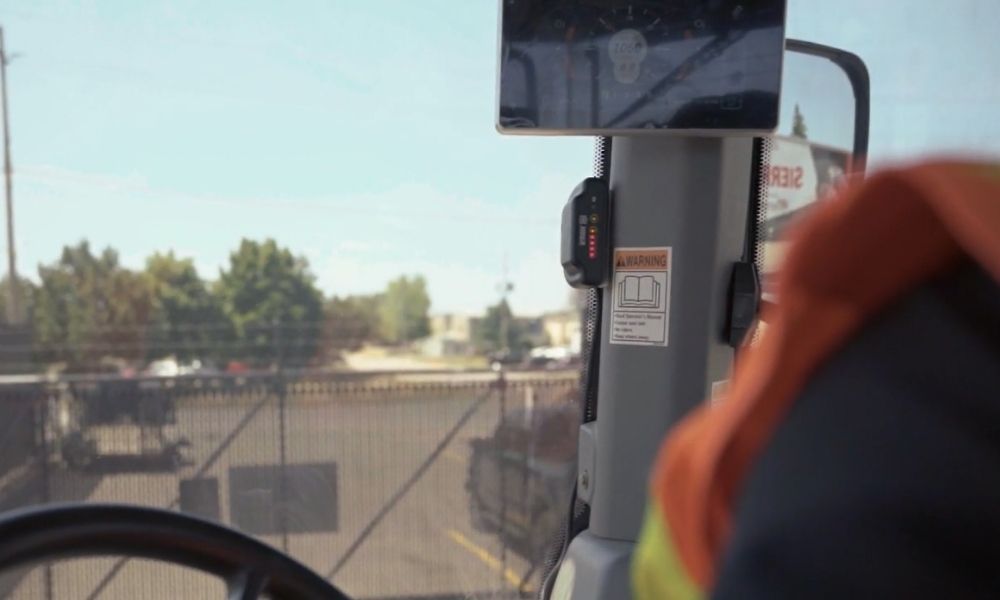
In-Cab Display alerts an operator when a person has been detected
This approach strengthens existing safety programs rather than replacing them. The Armour System is designed to enhance operator awareness and support site procedures, not to serve as the sole means of protection.
What to Look for When Evaluating a Proximity Detection System?
Before committing to any worker detection system for heavy equipment, ask these questions:
- Does it detect people specifically, or anything in range?
- Does it depend on batteries or charging on workers?
- Can detection zones be adjusted for each machine and application?
- Does it perform reliably in dust, darkness, and bad weather?
- Does it log event so you can measure exposure and act on the data?
Build a System Your Operators Trust
False alarms come from object-based detection, maintenance-heavy systems, poor zone setup, harsh conditions, and weak alert design. Each one feeds alert fatigue, which undermines jobsite safety. The fix is detection that is precise, reliable, and built for real-world conditions.
Use the checklist above in your next equipment review. To see how passive RFID person-specific detection fits your site, contact SCAN~LINK's safety specialists!